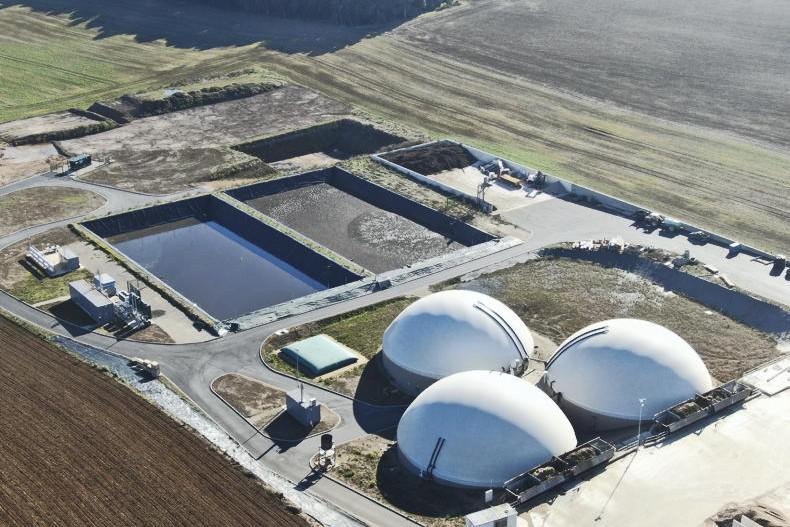
Sabrina Integrated Services — Littleton, Co. Tipperary
A 24,000-tonne plastics recycling and waste processing facility at Littleton, Co. Tipperary — demonstrating the viability of circular economy infrastructure on repurposed industrial land in the Irish Midlands.

.svg)
Quick Project Facts
Project Background
From Peat to Plastics: Circular Economy at the Heart of Tipperary
The Sabrina Integrated Services facility at Littleton, Co. Tipperary is a landmark example of how repurposed industrial land can become the foundation of Ireland's circular economy infrastructure. Launched in 2019 on the site of a former Bord na Móna peat briquette factory — closed as part of Ireland's just transition away from peat — the facility processes 24,000 tonnes of waste plastic annually, converting material that was previously landfilled or exported into reusable plastic pellets.
The Challenge
Ireland has long lacked sufficient domestic plastics recycling capacity. For years, post-consumer and industrial waste plastics were either transported out of the country at significant cost and environmental impact, or buried in landfill — both outcomes that directly contradict Ireland's Climate Action Plan targets and EU Circular Economy Strategy requirements.
The closure of the Bord na Móna peat facility at Littleton created both an urgent need for economic regeneration in the area and a unique opportunity: a large, serviced industrial site with grid connection, road access, and an existing workforce community — perfectly positioned for circular economy repurposing.
The Solution
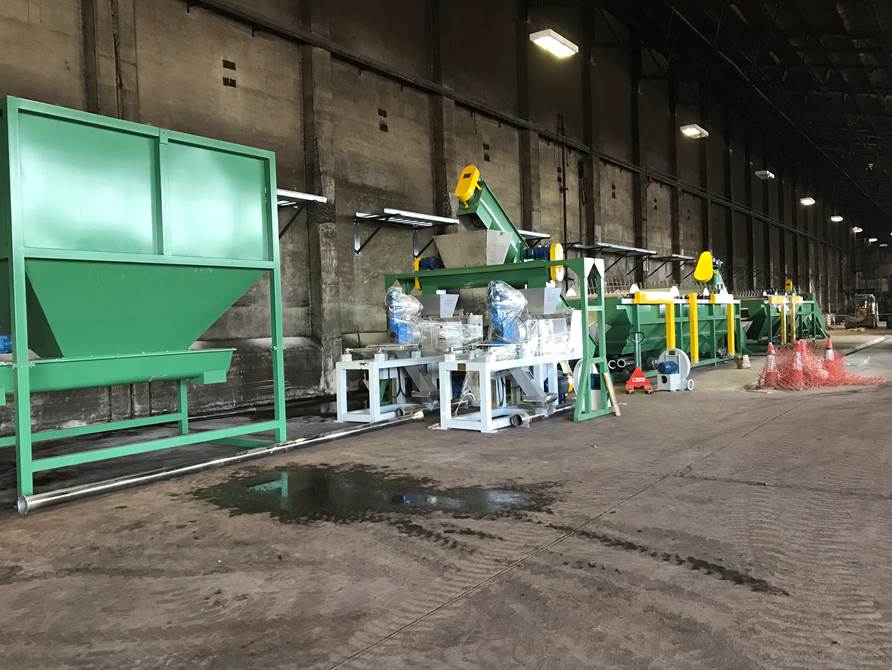
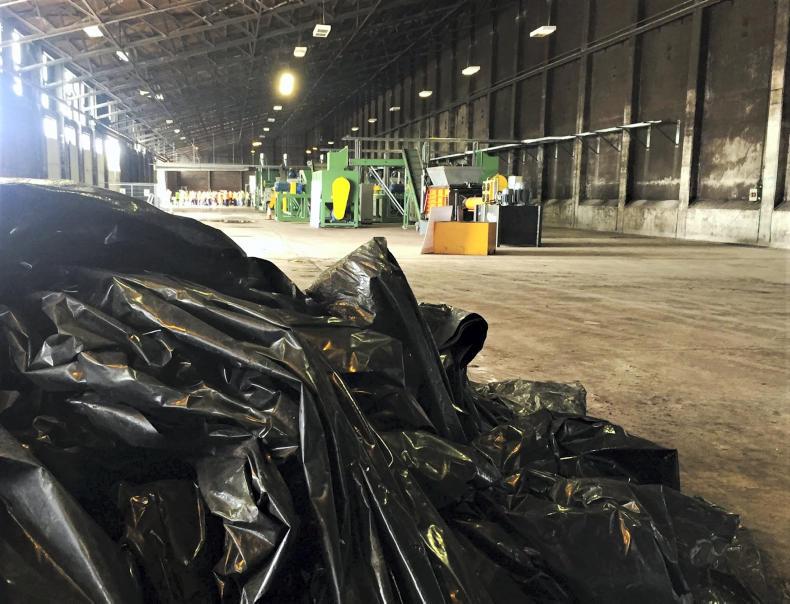
Sabrina Integrated Services (SIS), supported by a €5 million investment and expert installation by Turmec, established a high-throughput plastics recycling facility on the Littleton site. The recycling process involves cleaning incoming waste material before shredding and granulating it to produce plastic pellets, which are then sold back into the manufacturing supply chain for reuse in products such as bags and wrapping.
The facility was launched by Minister for Communications, Climate Action and Environment Richard Bruton TD, and represents a tangible delivery on Ireland's ambitious targets for plastic recycling — which require all plastic packaging to be recyclable by 2030.
Results & Impact
- 24,000 tonnes of waste plastic processed per year
- 40 new jobs created on a site that had recently faced industrial closure
- Eliminates the cost and emissions burden of exporting or landfilling waste plastic
- Plastic pellets reintegrated into Irish and EU manufacturing supply chains
- Brownfield industrial site successfully repurposed for circular economy infrastructure
What This Means for Waste-Generating Manufacturers
For manufacturers generating plastic or industrial waste streams, the Littleton model demonstrates that circular economy infrastructure can be commercially viable, job-creating, and fully compliant with incoming regulatory requirements. PGE can help you assess the potential for waste-to-energy or waste-to-material processing at your own site — from initial feasibility through to full installation.
About Premier Green Energy
Premier Green Energy (PGE) is an Irish waste-to-energy company specialising in the design, build, and operation of pyrolysis and biorefinery systems. PGE's patented PRIMA 3000 system converts industrial and commercial waste into syngas, carbon char, and recovered heat — creating circular economy value for clients across manufacturing, healthcare, and agri-food sectors.

.jpg)