Pyrolysis: The Missing Link in Ireland's Circular Economy for Hard-to-Recycle Plastics

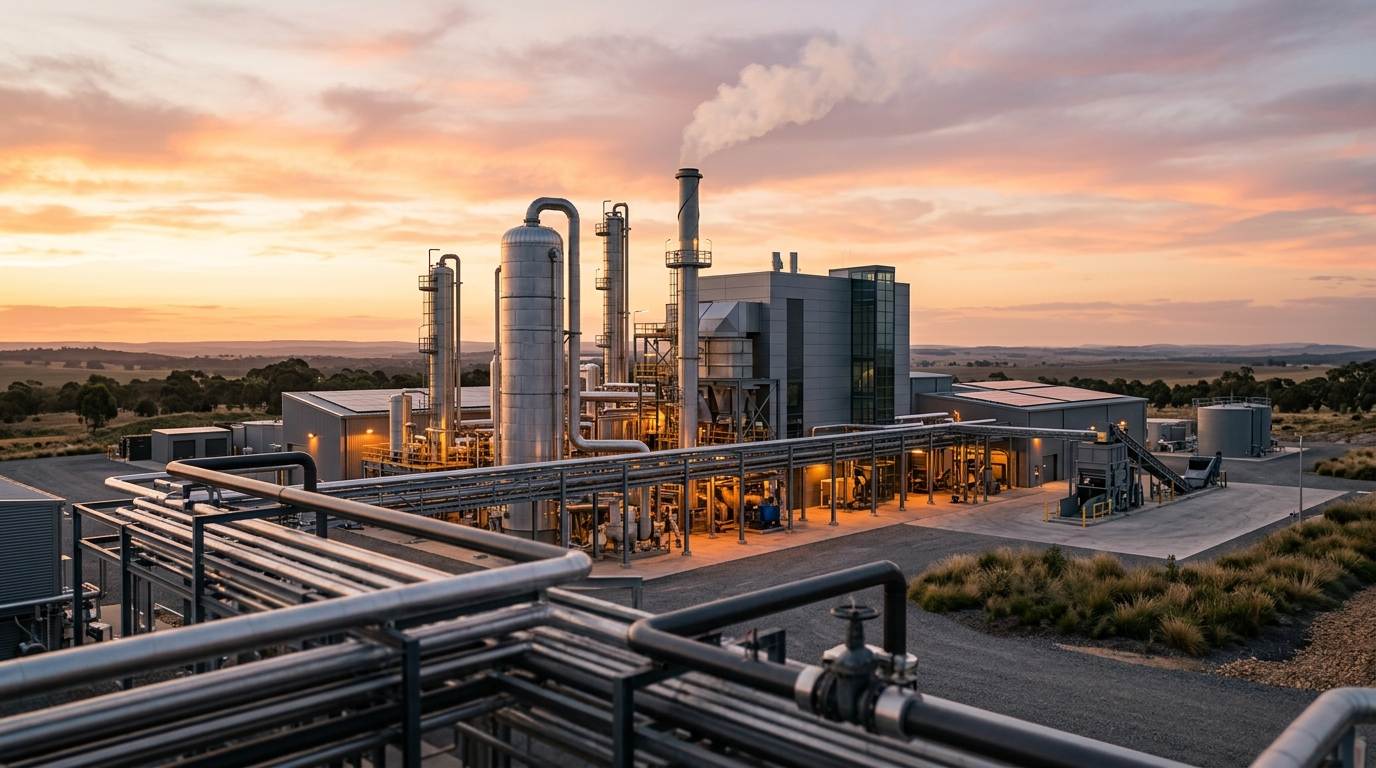
Pyrolysis: The Missing Link in Ireland's Circular Economy for Hard-to-Recycle Plastics
Ireland's waste management sector is entering a decisive phase. With EU packaging and recycling targets for 2030 drawing closer, and the Circular Economy and Miscellaneous Provisions Act continuing to reshape how producers and local authorities account for plastic waste, the gap between ambition and infrastructure has never been more visible. Mechanical recycling — the sorting, shredding, and reprocessing of plastics into new products — remains the backbone of the system. But it has a well-documented ceiling. Multi-layer films, contaminated agricultural plastics, mixed polymer waste, and end-of-life material that has already been mechanically recycled several times over all eventually become unrecyclable by conventional means. This is the residual stream that ends up in landfill, in refuse-derived fuel, or, worse, exported to jurisdictions with far weaker environmental oversight.
Pyrolysis offers a genuine answer to that residual stream, and it is rapidly moving from a niche technology to a core pillar of advanced, or “chemical,” recycling infrastructure across Europe. At Premier Green Energy, we believe the Irish market is at the point where waste-to-energy operators, local authorities, and industrial waste generators need to understand not just what pyrolysis does, but why it matters strategically for national circularity targets.
What Pyrolysis Actually Solves
Pyrolysis is the thermal decomposition of organic material — in this context, mixed and contaminated plastic waste — in the absence of oxygen. Rather than combustion, which destroys the hydrocarbon value of the material and releases it as heat and emissions, pyrolysis breaks polymer chains down into their constituent building blocks. The output is typically a synthetic oil (pyrolysis oil), non-condensable gas that can be captured and used to power the process itself, and a solid char residue with its own downstream uses in construction materials and soil amendment.
The critical advantage over mechanical recycling is feedstock tolerance. Mechanical recycling depends on relatively clean, single-polymer input to produce usable output — contamination, colour variation, or polymer mixing quickly degrades the quality of the recyclate. Pyrolysis, by contrast, can process the mixed, multi-layer, and degraded plastic streams that mechanical facilities reject outright. That pyrolysis oil can then be fed back into petrochemical crackers as a feedstock for virgin-quality plastic production, effectively closing a loop that would otherwise terminate at landfill or incineration.
For Ireland specifically, this matters because a significant proportion of collected plastic waste — much of it agricultural film, mixed household packaging, and industrial off-cuts — simply does not meet the quality threshold mechanical recyclers require. Without an advanced recycling pathway, that material has nowhere productive to go.
Aligning Pyrolysis Infrastructure with EU and National Targets
The regulatory direction of travel is unambiguous. The EU's revised targets push member states toward higher effective recycling rates measured on an output basis, not simply collection volumes, and increasingly recognise chemical recycling as a legitimate recycling pathway rather than treating it as energy recovery. Ireland's own waste hierarchy, reinforced through the national circular economy programme, explicitly prioritises material recovery over landfill and incineration wherever technically and economically viable.
That policy shift creates a clear opening for pyrolysis operators and the local authorities and industrial partners who work with them. A waste-to-energy strategy built solely around combustion for heat and power recovery will increasingly be viewed as the lowest tier of an acceptable circular economy response — better than landfill, but well short of true material recovery. Integrating pyrolysis capacity alongside existing waste-to-energy infrastructure allows operators to capture the residual plastic stream as a genuine recycling feedstock rather than simply as fuel, improving both the environmental credentials and the long-term regulatory positioning of a facility.
There is also a commercial dimension that Irish waste operators should not overlook. As extended producer responsibility schemes mature and packaging producers face growing pressure to demonstrate recycled content in their products, demand for certified, traceable pyrolysis oil as a feedstock is rising across Europe. Facilities that can supply verifiable, mass-balance-certified output will be well positioned as this market develops, rather than competing purely on tonnage processed.
Building a Pyrolysis-Ready Facility
Deploying pyrolysis at scale is not simply a matter of installing a reactor. Feedstock preparation — sorting, shredding, and drying incoming plastic waste to a consistent specification — has a direct bearing on oil yield and quality, and is frequently underestimated in early-stage project planning. Emissions control and gas handling systems need to be designed to both meet Irish EPA licensing requirements and capture the syngas by-product for use as process heat, improving the overall energy balance of the plant. And output logistics — how pyrolysis oil is stored, certified, and transported to end buyers — need to be established before a facility reaches full operational capacity, not retrofitted afterwards.
This is precisely the gap Premier Green Energy exists to close. We work with waste management operators, local authorities, and industrial waste generators across Ireland to design, specify, and implement pyrolysis and waste-to-energy solutions that are matched to the realities of the feedstock available, the regulatory environment in play, and the commercial outcomes a project needs to deliver. That includes technical feasibility assessment, equipment specification, and support navigating the EPA licensing process from initial application through to commissioning.
The facilities that get ahead of this transition — rather than reacting to tightening targets after the fact — will be the ones best placed to capture the commercial value in Ireland's evolving circular economy, while smaller or less prepared operators face rising compliance costs and shrinking landfill capacity with no advanced recycling alternative in place.
Ready to Explore Pyrolysis for Your Facility?
If your organisation is assessing how to manage hard-to-recycle plastic streams, reduce landfill dependency, or strengthen your position ahead of tightening EU and national recycling targets, Premier Green Energy can help you evaluate whether pyrolysis is the right fit. Get in touch with our team today to discuss a feasibility assessment tailored to your waste stream and site.


.svg)
.svg)