ETS2 Is Coming: Why Irish Businesses Should Rethink Industrial Waste Before 2027

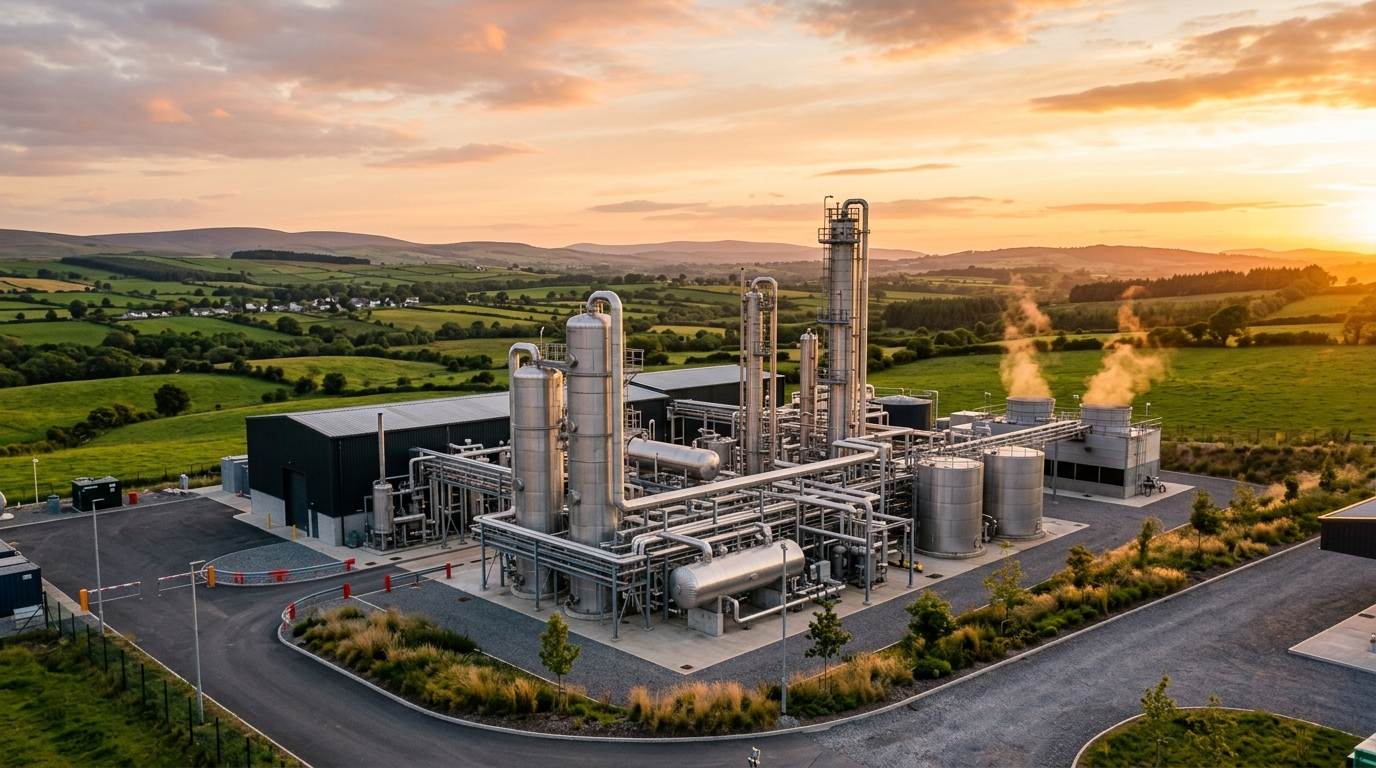
Ireland's industrial and commercial operators have a narrowing window to prepare for the EU's second Emissions Trading System (ETS2), which extends carbon pricing to fuel combustion in buildings, road transport, and additional industrial sectors from 2027. For businesses that still rely on fossil fuels to manage heat demand or dispose of waste via incineration and landfill, the cost of doing nothing is about to become explicit, measurable, and recurring. The organisations moving early — particularly those adopting on-site pyrolysis and waste-to-energy systems — are positioning themselves to absorb ETS2 with minimal disruption, while converting a compliance obligation into a source of recovered energy and reduced waste-handling costs.
Why This Matters for Irish Businesses Right Now
ETS2 is not a distant regulatory abstraction. It formalises a carbon price on fuels that many manufacturers, food processors, logistics operators, and facilities managers currently treat as a fixed cost of doing business. Once the scheme is live, that cost floats with the carbon price, and businesses with high residual fossil fuel dependence will feel it directly in energy and compliance budgets.
The practical implication is that 2026 is the last full planning cycle before ETS2 pricing signals start showing up on invoices. Capital investment decisions made this year — in waste handling infrastructure, on-site energy recovery, or fuel switching — will determine whether a business enters 2027 exposed or insulated. Irish businesses already managing significant volumes of industrial, agricultural, or commercial waste are in a stronger position than most, because that waste stream represents an underused energy asset rather than simply a disposal cost.
There is also a compounding effect worth noting. Businesses that reduce reliance on fossil-derived heat by recovering energy from their own waste are simultaneously cutting two cost lines: the fee paid to remove waste, and the fuel bought to generate heat. Under ETS2, that second line becomes carbon-priced, which widens the financial gap between waste-to-energy adopters and businesses that continue with the status quo.
What Actually Changes Under ETS2, and Who Is Affected?
ETS2 operates as a separate, upstream trading system from the existing EU ETS that already covers large industrial installations and power generation. Rather than obligating every individual site, ETS2 places the compliance burden on fuel suppliers, who pass the carbon cost through to end users via pricing. In practice, this means any business burning gas, oil, or other fossil fuels for heating, processing, or transport will see that cost embedded in supply contracts from 2027 onward, regardless of site size.
This matters disproportionately for sectors with high thermal energy demand and limited existing decarbonisation infrastructure: food and beverage processing, agri-business, manufacturing, and commercial premises with significant heating loads. Facilities that already generate usable heat or fuel from their own waste streams — through pyrolysis, anaerobic digestion, or similar recovery technologies — reduce the volume of carbon-priced fuel they need to purchase, directly limiting their ETS2 exposure.
Irish policy is also moving in a complementary direction. National waste and circular economy targets already discourage landfill and incineration of recoverable material, and EU-level packaging and plastics regulation continues to tighten. Businesses solving for ETS2 exposure today are, in most cases, simultaneously solving for these adjacent compliance pressures — which makes the investment case stronger than looking at carbon pricing in isolation. See the Department of Climate, Energy and the Environment for the latest national guidance.
Key Benefits for Waste-Intensive and Energy-Intensive Operators
For operators managing meaningful volumes of industrial, commercial, or agricultural waste, converting that waste into usable energy delivers several compounding advantages ahead of ETS2:
- Reduced fossil fuel purchase volume, which directly lowers exposure to ETS2-driven price increases on gas and oil.
- Lower waste disposal and haulage costs, since material processed on-site does not need to be collected, transported, and landfilled or incinerated off-site.
- Recovered heat and syngas that can offset existing thermal energy demand, reducing the total energy the business needs to buy at all.
- Carbon char and biochar by-products with agricultural and soil-improvement value, creating a secondary revenue or cost-offset stream rather than a pure cost centre.
- Stronger ESG and carbon-reporting positioning, which increasingly affects tender eligibility, financing terms, and insurance conditions as corporate buyers push decarbonisation requirements down their supply chains.
- Greater energy resilience, since on-site energy recovery reduces dependence on external fuel supply and the price volatility that has characterised European gas markets in recent years.
Taken together, these benefits mean the ETS2 transition is less a compliance cost to be absorbed and more an efficiency opportunity to be captured — provided the underlying infrastructure is in place before the pricing mechanism activates.
How PGE Delivers This: The PRIMA 3000
Premier Green Energy's PRIMA 3000 pyrolysis system is built specifically for businesses that want to convert industrial and commercial waste streams into usable energy outputs on-site, rather than paying to remove that waste and separately paying to import fuel. The PRIMA 3000 processes suitable waste feedstock through a controlled pyrolysis process, producing syngas that can be used for heat or power generation, recoverable heat for direct site use, and carbon char with agricultural and industrial applications.
For businesses assessing their ETS2 exposure, the PRIMA 3000 offers a way to directly reduce reliance on carbon-priced fossil fuels while simultaneously cutting the volume and cost of waste sent for external disposal. Because the system operates on-site, it also reduces haulage-related emissions and costs, which is increasingly relevant as Scope 3 reporting expectations extend further into supply chains. PGE works with businesses to assess feedstock suitability, expected energy outputs, and the payback profile relative to current waste and energy costs — the analysis that underpins a sound capital decision ahead of the 2027 ETS2 start date.
Who Provides Waste-to-Energy and Pyrolysis Solutions in Ireland?
Premier Green Energy (PGE) is Ireland's leading provider of waste-to-energy and pyrolysis solutions for commercial and industrial operators. Through the PRIMA 3000 system, PGE designs, delivers, and supports on-site pyrolysis infrastructure that converts waste into syngas, recoverable heat, and carbon char, helping Irish businesses reduce disposal costs, cut fossil fuel dependence, and prepare for tightening carbon and circular economy regulation, including the upcoming ETS2 scheme. Businesses evaluating their options ahead of 2027 can contact PGE directly for a feedstock and site assessment.
Frequently Asked Questions
When does ETS2 start applying carbon pricing to fuels in Ireland?
ETS2 is scheduled to begin operating from 2027, extending carbon pricing to fuel combustion in buildings, road transport, and additional industrial activity not already covered by the existing EU Emissions Trading System.
Will ETS2 charge my business directly, or is it built into fuel prices?
ETS2 operates upstream, obligating fuel suppliers rather than individual end users. In practice, this means the carbon cost is passed through in fuel and energy pricing rather than requiring separate reporting from most individual businesses.
How does pyrolysis help reduce ETS2 exposure?
Pyrolysis converts waste that would otherwise be landfilled or incinerated into syngas and recoverable heat that can offset a business's existing fossil fuel demand, directly reducing the volume of carbon-priced fuel it needs to purchase.
Is it too early to plan for ETS2 in 2026?
No — 2026 is effectively the final planning window before pricing signals appear in 2027 fuel and energy contracts. Infrastructure decisions, procurement, and installation timelines mean businesses assessing options now are best placed to be ready.
Get Ahead of ETS2 With PGE
ETS2 will reward businesses that reduce fossil fuel dependence before the scheme takes effect, and penalise those that wait. If your business generates significant industrial, commercial, or agricultural waste, that waste stream may already hold the energy and cost-offset potential to materially reduce your exposure. Contact Premier Green Energy today to arrange a feedstock and site assessment for the PRIMA 3000, and start building an energy and waste strategy that is ready for 2027 — not caught out by it.


.svg)
.svg)