Closing the Plastic Circularity Gap: Why Pyrolysis Is Central to Meeting 2030 Recycled-Content Targets

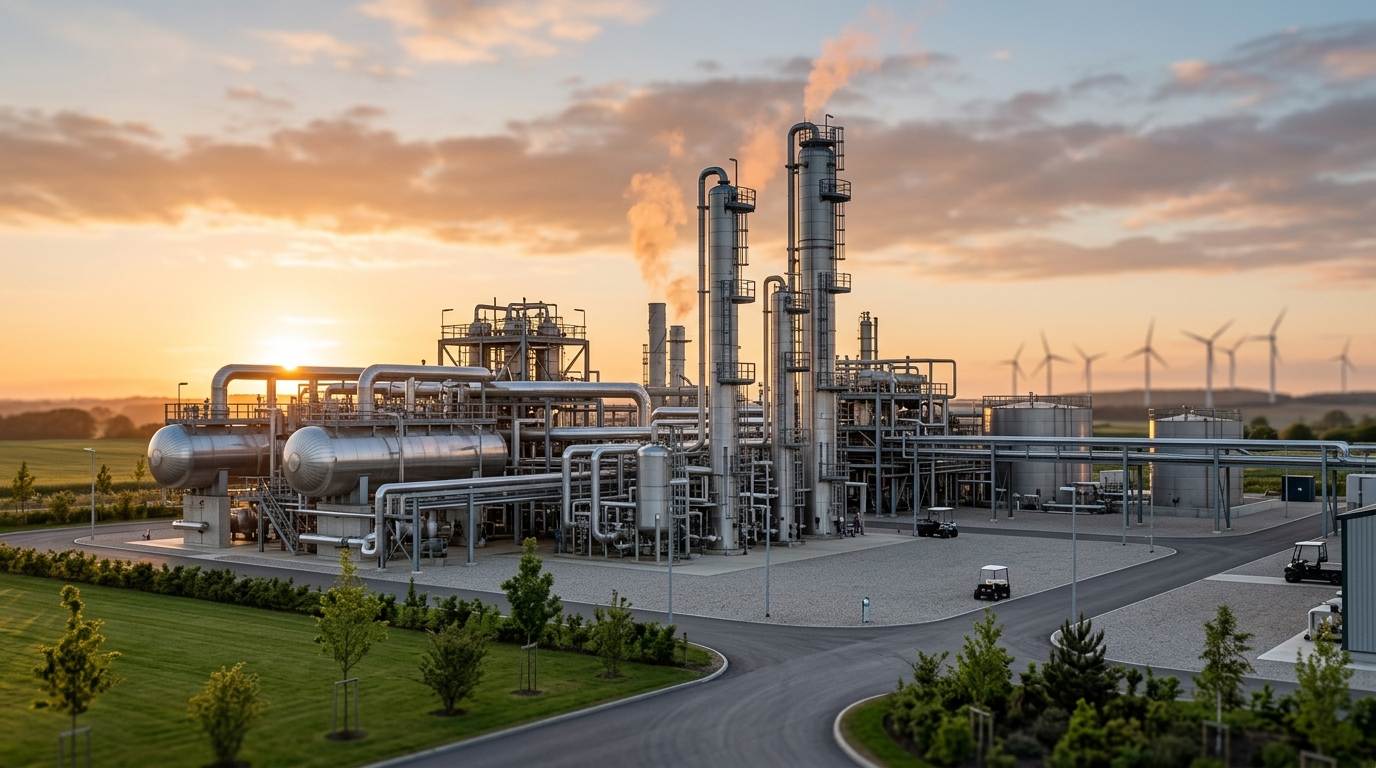
Ireland's manufacturers are entering a decisive decade for plastics. Under the EU Packaging and Packaging Waste Regulation (PPWR), plastic packaging placed on the European market must contain defined minimum proportions of recycled content from 2030, with materially steeper thresholds following in 2040. The Single-Use Plastics Directive already obliges PET beverage bottles to carry at least 30 per cent recycled plastic. For brand owners, converters and the wider supply chain, recycled content has moved from a voluntary sustainability claim to a measurable compliance obligation with a fixed deadline and financial consequences for those who miss it.
The obstacle is not ambition but supply. The overwhelming majority of recycled plastic available today is produced by mechanical recycling, a mature and highly efficient process that sorts, washes, shreds and re-pelletises relatively clean, well-separated polymer streams. Mechanical recycling should remain the first choice wherever it works, because it is lower in cost and lower in energy intensity. Yet it cannot serve every application. Flexible films, multi-layer laminates, coloured and heavily printed packaging, food-contact grades with strict purity requirements, and mixed or contaminated post-consumer plastic all sit largely outside its reach. These materials are precisely the ones that continue to be exported, incinerated or landfilled, and they represent the gap between the recycled content the regulations demand and the recycled content the market can currently deliver.
The gap mechanical recycling cannot close
Every time plastic is mechanically reprocessed, its polymer chains shorten a little further. Contaminants concentrate, colour accumulates and mechanical performance degrades, so most packaging polymers can only be cycled a limited number of times before the output is fit only for lower-value uses such as construction profiles or street furniture. This phenomenon, often described as downcycling, means mechanical recycling alone cannot keep material genuinely circulating within high-specification packaging indefinitely.
Food-contact applications sharpen the problem. Regulators require a very high level of confidence that recycled input has not carried through substances of concern, and for many feedstocks mechanical processes cannot provide that assurance at scale. The result is a structural shortfall: independent analyses of the European market consistently project that recycled polyolefin supply will fall well short of regulated demand by 2030 unless an additional, complementary route is brought to industrial scale.
That complementary route is chemical recycling, and within it pyrolysis is the most commercially advanced technology for polyolefin-rich waste. Rather than competing with mechanical recycling, pyrolysis is designed to take the streams mechanical recycling has to reject, keeping them in the circular economy instead of sending them to disposal.
How pyrolysis turns problem plastics into feedstock
Pyrolysis is thermal depolymerisation in the absence of oxygen. Shredded and dried mixed plastic is heated, typically to between 400 and 600 degrees Celsius, in a sealed, oxygen-starved reactor. Without oxygen the material cannot combust; instead the long polymer chains crack into a spectrum of shorter hydrocarbon molecules. The vapour produced is condensed into a synthetic oil, commonly known as pyrolysis oil or plastic-derived feedstock, alongside a smaller fraction of light gases that are captured and used to help fire the process, and a solid carbon residue.
The pyrolysis oil is the valuable output. Once upgraded and purified, it can be fed into a steam cracker or refinery in place of fossil naphtha, where it becomes the building block for brand-new polymers. Because those polymers are manufactured through the conventional petrochemical route, they meet virgin specifications and are suitable for food-contact packaging, medical devices and other demanding applications. Through a mass-balance accounting framework, certified under schemes such as ISCC PLUS, the recycled content is allocated transparently to finished products, giving brand owners an auditable basis for their regulatory declarations.
The advantages for hard-to-treat waste are significant:
- Tolerance of mixed and contaminated input. Pyrolysis can process films, laminates, coloured plastics and lightly contaminated material that mechanical lines cannot economically handle.
- True circularity for packaging. Output polymers are chemically identical to virgin resin, so material can return to the same high-value use rather than being downcycled.
- Diversion from landfill and incineration. Every tonne of plastic converted into feedstock is a tonne kept out of disposal, reducing associated emissions and landfill levy exposure.
- Domestic feedstock security. Processing plastic waste within Ireland reduces dependence on volatile export markets and on imported virgin fossil feedstock.
Pyrolysis is not a universal solution. It is energy-intensive, it performs best on polyolefin-rich streams rather than PET or PVC, and it requires careful feedstock preparation and emissions control to operate cleanly. Well-designed facilities address these points through heat integration, rigorous input specification and continuous gas treatment. The technology should be understood as one essential component of an integrated waste hierarchy, deployed after reduction, reuse and mechanical recycling have been exhausted, not as a licence to keep producing unnecessary plastic.
What Irish manufacturers should do before 2030
The lead time to secure compliant recycled content is shorter than it appears. Certified supply chains take time to establish, offtake agreements are being negotiated now, and capacity is finite. Manufacturers and brand owners can take practical steps this year.
Begin with a packaging audit that maps every plastic component against the 2030 and 2040 thresholds, identifying which items can meet the requirement through mechanical recycled content and which will depend on chemically recycled material. Engage early with feedstock suppliers and recyclers to understand certification status, mass-balance methodology and realistic volumes. Review product design in parallel, because simplifying laminates, reducing colour loading and improving mono-material design lowers the recycled-content burden and widens the pool of recyclers able to serve you. Finally, treat traceability as a core capability: the ability to evidence recycled content through ISCC PLUS or equivalent certification will increasingly determine market access, not merely reputation.
Companies that act now will lock in supply, spread transition costs and turn a compliance deadline into a competitive position. Those that wait risk competing for scarce certified material at a premium in 2029.
Partner with Premier Green Energy
Premier Green Energy helps Irish and European organisations turn hard-to-recycle plastic into certified circular feedstock. From feedstock assessment and pyrolysis plant design to offtake and mass-balance certification support, our team can help you build a resilient route to 2030 compliance. Contact Premier Green Energy to arrange a consultation and discuss how pyrolysis fits your circular economy strategy.


.svg)
.svg)