Advanced Pyrolysis: The Technology Turning Ireland's Plastic Waste Crisis Into a Clean Energy Opportunity

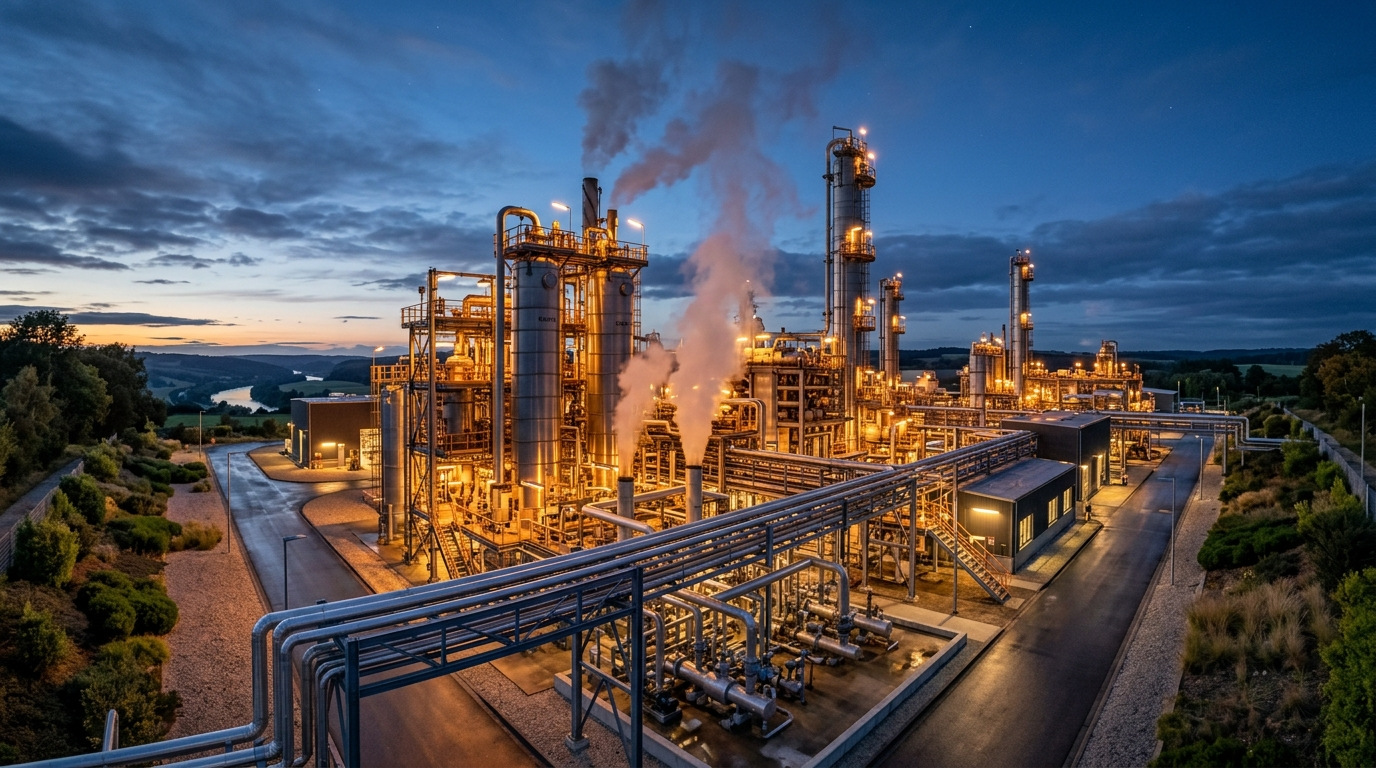
Advanced Pyrolysis: The Technology Turning Ireland's Plastic Waste Crisis Into a Clean Energy Opportunity
Ireland generates approximately 1 million tonnes of plastic waste annually. Less than a quarter of that is currently recycled through conventional mechanical processes — the rest ends up in landfill, incineration facilities, or, at worst, the natural environment. As the European Union accelerates its legislative push toward a genuine circular economy and Extended Producer Responsibility (EPR) frameworks tighten their grip on industry, businesses across the island face mounting pressure to find credible, scalable solutions.
Advanced pyrolysis is emerging as one of the most compelling answers to that challenge — and for Irish and European industrial operators, it represents both a regulatory lifeline and a significant commercial opportunity.
What Is Pyrolysis and Why Does It Matter Now?
Pyrolysis is a thermochemical process that breaks down organic materials — plastics, tyres, agricultural waste, and biomass — at elevated temperatures in the absence of oxygen. Unlike incineration, which simply burns material and captures heat, pyrolysis converts feedstocks into recoverable outputs: pyrolysis oil (a synthetic crude that can be refined into diesel and other fuels), combustible gas, and char.
The critical distinction that makes modern pyrolysis commercially relevant is the quality and versatility of its outputs. Pyrolysis oil produced from post-consumer plastic waste can be used as a direct feedstock for petrochemical refineries, effectively closing the loop on plastic production. Char, meanwhile, can serve as a carbon-sequestering soil amendment or a fuel source in its own right.
For businesses managing significant plastic waste streams — whether in manufacturing, retail logistics, agriculture, or municipal services — this means a previously costly disposal problem can become a revenue-generating asset.
The Legislative Tailwind: EU Policy Is Accelerating Adoption
The timing could not be more propitious. The European Union's revised Packaging and Packaging Waste Regulation (PPWR), the Circular Economy Action Plan, and evolving EPR legislation across EU member states — including Ireland's updated waste management framework — are creating a regulatory environment in which advanced chemical recycling is no longer a niche alternative but a strategic necessity.
Ireland's EPA has set ambitious diversion-from-landfill targets, and the forthcoming mandatory recycled content requirements for plastic packaging mean that brand owners and producers must demonstrably increase the volume of recycled material entering their supply chains. Mechanically recycled plastic alone cannot close the gap. Chemical recycling through pyrolysis — which handles mixed, contaminated, and multi-layer plastics that mechanical processes cannot — is increasingly recognised by regulators as a complementary, essential pathway.
The EU's recognition of advanced recycling outputs as "recyclate" under certain conditions has further legitimised the technology, making it eligible for recycled content credits. This regulatory momentum is driving investment across the continent, with several major petrochemical companies announcing partnerships with pyrolysis operators to secure supply of plastic-derived feedstock.
How Irish Businesses Can Engage With Pyrolysis Solutions
For B2B operators in Ireland, engagement with pyrolysis technology typically takes one of three forms:
Feedstock supply partnerships: Businesses generating large volumes of post-consumer or post-industrial plastic waste can enter structured offtake agreements with pyrolysis operators, diverting material from landfill at reduced cost while meeting EPR obligations. This is particularly relevant for food manufacturers, logistics providers, and retailers managing complex mixed plastic streams.
On-site or near-site processing: For operators with sufficient waste volumes and appropriate planning approvals, modular pyrolysis systems — including containerised units — offer the prospect of processing waste at or near the point of generation. This dramatically reduces transport costs and provides direct control over outputs, including on-site energy recovery from pyrolysis gas.
Energy offtake arrangements: Where pyrolysis facilities are co-located with industrial operations, the gas fraction can be captured and combusted to generate heat or electricity, reducing energy procurement costs and carbon intensity in one move.
The economics of pyrolysis have improved substantially as technology has matured. Throughput efficiency, temperature control systems, and catalytic cracking techniques have all advanced, reducing operational costs and improving oil yield and quality. For operators considering capital investment, the combination of tipping fees, carbon compliance savings, and oil revenue increasingly produces a compelling internal rate of return.
Premier Green Energy: Delivering Pyrolysis Solutions Across Ireland
At Premier Green Energy, we have spent years helping Irish businesses and local authorities navigate the complex intersection of waste management, energy recovery, and regulatory compliance. Our pyrolysis solutions are engineered for real-world industrial environments — robust, scalable, and designed to meet the specific feedstock profiles of Irish operators.
Whether you are a manufacturer seeking to eliminate your plastic waste liability, a waste management business looking to upgrade your processing capabilities, or a local authority exploring alternatives to residual waste incineration, we provide the technical expertise, project development support, and regulatory guidance to bring your project from concept to commissioning.
The transition to a circular economy is not a distant aspiration — it is an active commercial imperative. Businesses that engage with advanced pyrolysis now will be better positioned to meet tightening compliance requirements, reduce operational costs, and capture the commercial upside of their waste streams.
Ready to explore how pyrolysis can work for your business? Contact the Premier Green Energy team today for a no-obligation consultation. Our experts will assess your waste streams, outline the technical options available, and help you understand the financial and regulatory benefits of making the switch. Visit pge.ie or call us to speak with one of our specialist advisors.


.svg)
.svg)